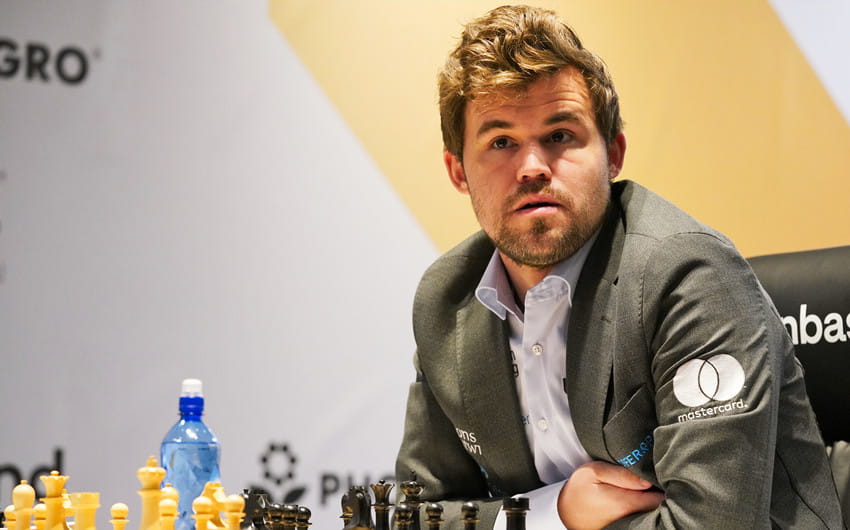
Magnus Carlsen Net Worth in 2026: Chess Winnings, Deals, and Business Ventures
If you’ve been searching carlsen magnus net worth, you’re really asking how the world’s most famous modern chess player turns dominance on the board into real-world wealth. The most realistic estimate for Magnus Carlsen net worth in 2026 is about $25 million (give or take several million), built from prize money, sponsorships, business ownership, and high-value partnerships that go far beyond tournament checks.
Magnus Carlsen’s net worth in 2026
In 2026, Magnus Carlsen’s net worth is best described as approximately $25 million, with a reasonable estimate range of about $20 million to $30 million. That range exists because chess income is not as transparent as salaries in team sports, and many of Carlsen’s biggest earnings are tied to private sponsorship terms, equity stakes, and business deals that aren’t fully public.
Still, the overall picture is clear: Carlsen isn’t wealthy just because he wins. He’s wealthy because he’s turned elite performance into a brand and then turned that brand into multiple income streams that can keep paying long after any single tournament ends.
Why chess money works differently than sports money
It’s easy to assume the best player automatically earns the most, but chess doesn’t work like the NBA or NFL. There’s no league-wide salary system for superstars. A chess player’s income is usually a mix of:
- Prize winnings from tournaments
- Appearance fees for elite invitations
- Sponsorship deals with global brands
- Streaming and content income (when applicable)
- Business ventures and ownership in chess-related companies
- Endorsements and partnerships tied to name recognition
For most grandmasters, prize money alone isn’t enough to create serious long-term wealth. For Magnus Carlsen, the opposite is true: prize money is important, but it’s not the biggest reason his net worth is in the eight figures.
Prize money: strong, but not the main driver
Carlsen has won a huge amount of prize money across his career, including elite classical tournaments, rapid and blitz events, and high-profile invitational formats. But even when tournaments pay well, chess prize pools are still modest compared to major sports.
Here’s the key point: Carlsen’s prize money is best viewed as the foundation, not the mansion. It gave him early financial stability and credibility, but his major wealth growth came when he used his reputation to unlock premium deals outside the tournament circuit.
In other words, tournament wins made him famous. Business moves made him rich.
World Championship earnings and the value of being “the guy”
During the years when Carlsen held the World Chess Championship title, he wasn’t just winning matches. He was holding the most valuable label in chess. That label tends to increase earnings in several ways:
- Bigger appearance fees because events want the world champion in the field
- Higher sponsorship value because brands want the top name, not the tenth name
- More media attention, which strengthens long-term brand power
- Stronger negotiating leverage for partnerships and business ventures
Even after stepping away from the world title match cycle, Carlsen remains the biggest single brand in modern chess. That brand power is a financial asset.
Sponsorships: the quiet engine behind his wealth
Sponsorships are where chess stars can earn serious money, especially when they become globally recognizable. Carlsen’s sponsor history includes premium, high-status brand associations that match his public image: disciplined, elite, intelligent, and globally respected.
Sponsorship money can come in several forms:
- Flat annual payments for ambassador work
- Campaign fees for appearances, content, or commercials
- Performance bonuses tied to achievements
- Long-term contracts that provide stability
Carlsen’s appeal is that he’s not a niche celebrity in one country. He’s internationally known, and chess has a global audience that brands increasingly want. When your audience is worldwide and your image is clean, sponsorships become one of the most reliable wealth builders.
Business ownership: where Carlsen separated himself from other grandmasters
Most elite chess players earn like elite freelancers. Carlsen built parts of his career like a founder. He has been connected to chess business ventures that treat chess as a product and chess fans as customers. That mindset is a major reason his net worth stands above nearly every other modern grandmaster.
Ownership creates wealth differently than prize money. Prize money is paid once. Ownership can pay repeatedly. When a company grows, ownership can create a larger upside than years of tournament wins.
The Play Magnus era and why it mattered financially
One of the most important “net worth” storylines in Carlsen’s career is his role in chess-related technology and platforms. When a top player is connected to a tech business that scales globally, the value can grow quickly.
Even when chess apps or platforms don’t look flashy from the outside, they can be powerful because chess fans are loyal and consistent. People don’t “kinda” like chess; they either fall into it deeply or they don’t. That deep engagement supports subscriptions, courses, training tools, premium features, and long-term customer relationships.
For a founder or major stakeholder, that can translate into meaningful wealth creation beyond tournament earnings.
Chess.com, partnerships, and the modern chess boom
Modern chess is heavily influenced by online play, online learning, and online entertainment. Platforms that combine those things tend to grow faster than traditional chess organizations. Carlsen’s name has been closely tied to this modern ecosystem, and his value increases as chess continues to expand online.
Even without listing private deal numbers, the financial logic is straightforward:
- Online chess growth increases the value of chess platforms.
- Chess platforms value celebrity and credibility.
- Carlsen offers both celebrity and credibility at the highest level.
That combination makes him a premium asset in a growing market, which is exactly how net worth grows beyond prize checks.
Appearance fees: the money people forget
In elite chess, top invitations can include appearance fees, especially for the biggest names. Organizers pay for star power because star power sells tickets, livestream views, sponsors, and media coverage.
This is similar to entertainment: you’re not only paid for what you do, you’re paid for what your presence creates. Carlsen’s presence makes a tournament feel important. That “importance” has a price.
Appearance fees are rarely public in detail, but at the highest level they can be meaningful—especially when combined with prize money, travel arrangements, and sponsorship obligations that overlap with the event.
Simuls, private events, and high-end chess experiences
At Carlsen’s level, chess can become a premium experience product. This can include:
- Simultaneous exhibitions for corporations or VIP groups
- Private events where a brand wants the “Magnus moment”
- Guest appearances tied to conferences, tech events, or sports summits
These events may sound small compared to championship chess, but they can pay extremely well because the client isn’t paying for a chess lesson. They’re paying for access to a living legend.
Streaming, content, and modern media value
Carlsen has never relied on streaming the way some chess creators do, but the chess world has changed dramatically. Content, clips, and online engagement are now part of how top players stay visible and valuable.
Even limited content presence can support wealth in indirect ways:
- It increases brand visibility without needing traditional press
- It supports sponsorship value because brands want digital reach
- It keeps the fanbase active between major tournaments
In the modern chess economy, attention is currency. Carlsen is one of the few players who can generate attention even without chasing it.
Books, courses, and intellectual property
Chess players can also earn through intellectual property: books, training content, and licensed materials. A world-famous name can sell education products more easily, especially when those products are positioned as “learn from the best.”
These products can be structured in different ways:
- Royalties from book sales
- Flat licensing fees for courses hosted on a platform
- Revenue splits where the creator earns as sales grow
For Carlsen, the biggest value may not be one book or one course, but the overall ability to monetize his chess identity in multiple formats.
Investments and diversification
Once someone reaches eight-figure net worth territory, wealth becomes less about “earning another prize” and more about protecting and growing assets. High earners often diversify into:
- Index funds and conservative portfolios
- Private equity or startup investments (especially in familiar industries)
- Real estate as a long-term store of value
Carlsen’s personal investment details are private, but it’s realistic to assume that someone with his income profile would structure wealth beyond cash and tournament money. This is how fortunes last.
Taxes, expenses, and why gross earnings aren’t net worth
Another reason people misunderstand net worth is they confuse big career earnings with what’s actually kept. Carlsen’s career involves costs and taxes that can be substantial:
- International taxes (often complex for global competitors)
- Agent/management fees tied to sponsorships and business deals
- Travel for tournaments and appearances
- Coaching and preparation (elite chess support is not cheap)
- Legal and business expenses for company involvement
That’s why a player can earn millions over time but not automatically be worth hundreds of millions. Chess creates strong wealth at the top, but it’s still a smaller economy than global team sports.
Why Magnus Carlsen is richer than almost every other chess player
Many grandmasters have incredible talent. Very few have Carlsen’s brand power. The difference comes from a mix of factors working together:
- Longevity at the top (staying elite for years multiplies opportunity)
- Global recognition (he’s known beyond chess fans)
- Clean, premium image (brands feel safe investing in him)
- Business involvement (ownership and deal leverage)
- Modern market timing (online chess exploded during his era)
Plenty of players can win tournaments. Carlsen built an ecosystem around being Magnus Carlsen. That ecosystem is what creates lasting wealth.
How his net worth could change in the next few years
Carlsen’s net worth in 2026 is strong, but it can still move up or down depending on business outcomes and how active he stays competitively. Here are the biggest factors that could increase his wealth:
- More equity growth if chess platforms and partnerships expand
- Premium sponsorship renewals tied to continued dominance and visibility
- New media projects (documentaries, branded series, special events)
- Growing chess education business if learning platforms scale
And here are factors that could slow growth:
- Reduced competitive schedule (less visibility can reduce sponsorship leverage)
- Market shifts if online chess engagement dips
- Business volatility (equity value can rise or fall)
Even with these variables, Carlsen’s position is unusually secure. His name is already part of chess history, and that kind of legacy tends to keep generating opportunities.
The most realistic takeaway on Magnus Carlsen net worth
The most practical way to answer Magnus Carlsen net worth is that he’s worth about $25 million in 2026, not because chess prize money is huge, but because he built a modern chess business profile. His dominance created global attention, and he turned that attention into sponsorships, premium partnerships, and ownership-style opportunities that most players never touch.
Carlsen is a reminder that in niche sports, the top earner isn’t always the person with the most trophies. It’s the person who uses trophies to build assets.
image source: https://www.opb.org/article/2022/07/20/magnus-carlsen-done-with-chess-world-championships/